The Back Booth
قصة إنجليزية مجانية بالمستوى C1 لمتعلمي اللغات، يمكن قراءتها على الإنترنت بلغات عددها 8، مع إمكانية الاستماع إليها عبر تطبيق Storyteller المجاني.
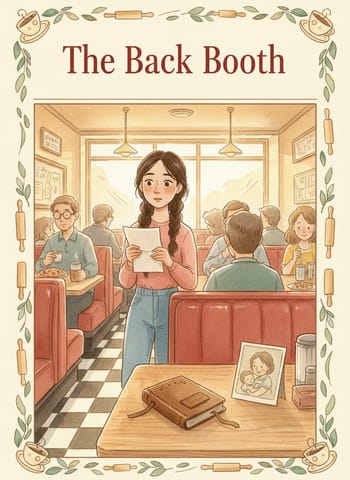
Taking over her late mother's diner, Odessa finds an old note revealing her mother nearly sold it the year she was born.
انتهى المقطع التجريبي! استمع إلى القصة كاملة في تطبيق Storyteller المجاني. حمّل التطبيق
الصوت غير متاح الآن.
Odessa was thirty-four the week she finally agreed to take over the diner, a decision everyone in her family treated as inevitable, though nobody could say exactly when she had agreed to it.
كانت أوديسا في الرابعة والثلاثين في الأسبوع الذي وافقت فيه أخيرًا على تولّي المطعم، وهو قرار عدّته عائلتها كلها أمرًا محتومًا، وإن لم يستطع أحد أن يقول متى وافقت عليه بالضبط.
She had grown up in the back booth doing homework while her mother, Imogen, ran the register, the till, and every crisis the kitchen produced, seemingly without effort. The plan, as far as Odessa understood it, had always been quiet and unspoken: the diner would pass to her the way it had passed to Imogen, and to Imogen's mother before that.
نشأت في الركن الخلفي تحل واجباتها المدرسية بينما كانت أمها، إيموجين، تدير الصندوق والحسابات وكل أزمة ينتجها المطبخ، دون عناء على ما يبدو. كانت الخطة، بقدر ما تفهم أوديسا، هادئة وغير معلنة دائمًا: سينتقل المطعم إليها كما انتقل إلى إيموجين، وإلى أم إيموجين قبل ذلك.
It was while clearing out the office, three months after the funeral, that Odessa found the note, folded small inside an old bank ledger from the year she was born.
بينما كانت تُفرغ المكتب، بعد ثلاثة أشهر من الجنازة، عثرت أوديسا على الورقة، مطوية صغيرة داخل دفتر حسابات مصرفي قديم من سنة ولادتها.
Considering selling. Baby due in six weeks. Can't keep doing both, it read, in her mother's unmistakable handwriting, dated a full year before Odessa had any memory of the place existing at all.
«أفكر في البيع. المولود سيصل بعد ستة أسابيع. لا أستطيع الاستمرار في الاثنين معًا»، هكذا كُتب بخط أمها الذي لا يُخطأ، ومؤرخًا قبل سنة كاملة من أي ذكرى لأوديسا عن وجود المكان أصلًا.
Standing in the office with the ledger open in her hands, Odessa realized something startling. Had that sale gone through, she would have grown up somewhere else entirely, doing something else entirely, with a mother who might have been less exhausted and, perhaps, considerably happier.
إذ وقفت في المكتب والدفتر مفتوح بين يديها، أدركت أوديسا أمرًا مذهلًا. فلو تمت تلك الصفقة لنشأت في مكان آخر تمامًا، تعمل شيئًا آخر تمامًا، مع أم ربما كانت أقل إنهاكًا، وربما أسعد بكثير.
She had spent her whole life assuming the diner was simply what her mother wanted, a calling rather than a burden quietly carried for thirty-four years past the point where it might reasonably have ended. The note complicated that story in a way Odessa was not prepared for.
أمضت حياتها كلها تفترض أن المطعم هو ببساطة ما تريده أمها، شغف لا عبء حملته بصمت أربعًا وثلاثين سنة بعد النقطة التي كان من المعقول أن ينتهي عندها. لقد عقّدت الورقة تلك الحكاية بطريقة لم تكن أوديسا مستعدة لها.
She called her aunt that evening, hoping for context, and got instead a long pause before an honest answer. "She almost did sell it," her aunt confirmed. "Your father talked her out of it. I never knew if that was the right call or not, and I don't think your mother ever fully decided either."
اتصلت بعمتها في ذلك المساء أملًا في توضيح، فلم تحصل إلا على صمت طويل قبل جواب صادق. «كادت تبيعه فعلًا»، أكدت عمتها. «أقنعها أبوك بالعدول. ولم أعرف قط إن كان ذلك القرار الصائب أم لا، ولا أظن أن أمك حسمت ذلك تمامًا هي أيضًا.»
What Odessa had to sit with, in the weeks that followed, was a question with no comfortable answer. Was keeping the diner running, all these years, her mother's devotion, or simply the shape her life had taken once the harder choice went unmade?
ما كان على أوديسا أن تعيش معه، في الأسابيع التالية، سؤال لا جواب مريحًا له. هل كان إبقاء المطعم مفتوحًا، طوال هذه السنين، تفانيًا من أمها، أم مجرد الشكل الذي اتخذته حياتها بعد أن تُرك الخيار الأصعب دون اتخاذه؟
She thought about closing it herself, more seriously than she had let anyone know. She thought, too, about her own daughter, not yet born, and whether she wanted to hand down a business or finally hand down the choice her mother never quite got to make.
فكرت في إغلاقه بنفسها، بجدية أكبر مما سمحت لأحد أن يعرف. وفكرت أيضًا في ابنتها التي لم تولد بعد، وهل تريد أن تورّثها مشروعًا تجاريًا أم أن تورّثها أخيرًا الخيار الذي لم تُتَح لأمها فرصة اتخاذه فعلًا.
In the end, Odessa kept the diner open, but not, she told herself carefully, out of the same quiet inevitability that had carried her mother through three decades of it. She kept it because she chose to, actively. The note from the ledger stayed taped inside a drawer only she ever opened, a small private reminder that devotion and habit can look, from the outside, exactly the same.
في النهاية أبقت أوديسا المطعم مفتوحًا، لكن ليس، كما قالت لنفسها بحرص، بدافع الحتمية الهادئة نفسها التي حملت أمها خلال ثلاثة عقود منه. أبقته لأنها اختارت ذلك، عن قصد. بقيت الورقة من الدفتر ملصقة بشريط داخل درج لا يفتحه غيرها، تذكيرًا خاصًا صغيرًا بأن التفاني والعادة قد يبدوان، من الخارج، متطابقين تمامًا.