The Cello That Waited All Day
قصة إنجليزية مجانية بالمستوى B2 لمتعلمي اللغات، يمكن قراءتها على الإنترنت بلغات عددها 8، مع إمكانية الاستماع إليها عبر تطبيق Storyteller المجاني.
A baggage clerk finally asks why a music student leaves her cello in the same room every day.
انتهى المقطع التجريبي! استمع إلى القصة كاملة في تطبيق Storyteller المجاني. حمّل التطبيق
الصوت غير متاح الآن.
The left-luggage room at the back of the bus station had no windows, and Sade liked it that way. The air was cool and still, and the shelves ran in tidy rows to the ceiling. The noise of departing engines reached her only as a distant hum. She had worked there for six years. In that time she had learned that people leave a surprising number of things behind, and that almost none of them ever explain why.
لم يكن في غرفة الأمانات الواقعة في مؤخرة محطة الحافلات نوافذ، وكانت شاداي تحب ذلك. فالهواء بارد ساكن، والرفوف تمتد في صفوف مرتبة حتى السقف. ولا يصل إليها صوت المحركات المغادرة إلا طنينًا بعيدًا. كانت تعمل هناك منذ ست سنوات، وتعلمت في تلك المدة أن الناس يتركون وراءهم عددًا مدهشًا من الأشياء، وأن أحدًا منهم تقريبًا لا يشرح السبب.
There was one piece of furniture in the room that Sade had never managed to improve. It was a small wooden table by the door, where customers signed the ledger and counted their coins. One of its legs was shorter than the others, and the whole table rocked whenever anybody leaned on it. She had slid a folded card under the leg more than once, but the card always worked its way out.
كانت في الغرفة قطعة أثاث واحدة عجزت شاداي عن إصلاحها قط. هي طاولة خشبية صغيرة قرب الباب، يوقّع عليها الزبائن في السجل ويعدّون عملاتهم. إحدى قوائمها أقصر من الأخريات، فتهتز الطاولة كلها كلما استند إليها أحد. وقد دسّت تحت القائمة قطعة كرتون مطوية أكثر من مرة، لكن القطعة كانت تنزلق خارجة في كل مرة.
The cello arrived on a Monday, a little before eight.
وصلت آلة التشيلو في أحد أيام الاثنين، قبيل الثامنة بقليل.
It came in a battered black case that was almost as tall as the girl who carried it. She was perhaps twenty, with a thin face and a heavy coat. She stood like someone used to apologising for taking up space. She set the case upright against the counter and pushed a ticket across the wood.
جاءت في علبة سوداء متهالكة تكاد تبلغ طول الفتاة التي تحملها. كانت الفتاة في العشرين تقريبًا، نحيلة الوجه، ترتدي معطفًا ثقيلًا. ووقفت وقفة من اعتاد أن يعتذر عن شغل حيّز. أسندت العلبة منتصبةً إلى المنضدة ودفعت تذكرة على الخشب.
"One bag, please," she said. "Until six this evening."
«حقيبة واحدة، من فضلك»، قالت. «حتى السادسة مساء.»
"Name?" asked Sade.
«الاسم؟» سألت شاداي.
"Safiya."
«صفية.»
Sade wrote it in the ledger and handed her a numbered tag. The table rocked as the girl signed her name. Safiya steadied it with one hand, without comment, as people do with a rocking table they have no hope of fixing.
كتبت شاداي الاسم في السجل وناولتها بطاقة مرقّمة. اهتزت الطاولة وهي توقّع. فثبّتتها صفية بيد واحدة دون تعليق، كما يفعل الناس بطاولة مهتزة يئسوا من إصلاحها.
At six she returned, collected the cello, and left. On Tuesday she came again, and on Wednesday, and on every day after that. She was always polite, always quick, and always on time. She said nothing to Sade that was not strictly necessary.
عادت في السادسة، وأخذت التشيلو ومضت. ثم جاءت يوم الثلاثاء، ويوم الأربعاء، وكل يوم بعد ذلك. كانت مهذبة دائمًا، سريعة دائمًا، منضبطة في موعدها دائمًا. ولم تقل لشاداي شيئًا لا تقتضيه الضرورة.
For three weeks, Sade said nothing either.
وطوال ثلاثة أسابيع لم تقل شاداي شيئًا هي الأخرى.
She was aware of a question growing in the room, quietly, like a plant in the corner. Who carries a cello to a bus station every morning and leaves it for ten hours? It could not be a commuter's habit, since a musician would want her instrument close. It could not be an accident, because accidents do not arrive on a timetable. Yet each time the girl appeared, Sade found a reason not to ask. It was not her business. People came and went, and the whole purpose of her job was to hold things without wondering about them.
كانت تشعر بسؤال ينمو في الغرفة بهدوء، كنبتة في الزاوية. من الذي يحمل تشيلو إلى محطة حافلات كل صباح ويتركها عشر ساعات؟ لا يمكن أن تكون عادة مسافرة يومية، فالعازفة تريد آلتها قريبة منها. ولا يمكن أن تكون مصادفة، فالمصادفات لا تأتي بجدول زمني. ومع ذلك كانت شاداي تجد في كل مرة تظهر فيها الفتاة سببًا لئلا تسأل. فهذا ليس من شأنها. الناس يجيئون ويذهبون، وغاية عملها كله أن تحفظ الأشياء دون أن تتساءل عنها.
Her colleague Dario had a theory. "She is a spy," he said, with total seriousness, over lunch one day. "Or she is smuggling something inside it."
كان لزميلها داريو نظرية. «إنها جاسوسة»، قال بجدية تامة على الغداء ذات يوم. «أو تهرّب شيئًا داخلها.»
"It's a cello," said Sade.
«إنها تشيلو»، قالت شاداي.
"That is exactly what a spy would say about a cello."
«وهذا بالضبط ما يقوله الجاسوس عن آلة التشيلو.»
She did not laugh, though she wanted to. Instead she watched the clock on the wall, and she realised that she had started to look forward to eight o'clock.
لم تضحك، وإن كانت تريد ذلك. وبدلًا من ذلك راحت تراقب الساعة على الجدار، وأدركت أنها صارت تترقب الثامنة.
On the fourth Monday the girl was late. She came through the door at ten past eight, out of breath. The case bumped the table so hard that it rocked and almost tipped the ledger onto the floor. Safiya caught it, and for the first time her composure cracked.
وفي يوم الاثنين الرابع تأخرت الفتاة. دخلت من الباب في الثامنة وعشر دقائق، لاهثة. وارتطمت العلبة بالطاولة بقوة حتى اهتزت وكادت تُسقط السجل على الأرض. فأمسكته صفية، وللمرة الأولى تصدّع هدوؤها.
"I'm sorry," she said. "I'm so sorry. I always make a mess of this."
«آسفة»، قالت. «آسفة جدًا. أفسد كل شيء دائمًا في هذا.»
"You didn't," said Sade. "It's the table. It has been rocking for six years."
«لم تفسدي شيئًا»، قالت شاداي. «الطاولة هي السبب. إنها تهتز منذ ست سنوات.»
They both looked at it. The short leg tapped twice against the floor, as though it had heard.
نظرتا معًا إلى الطاولة. فنقرت القائمة القصيرة الأرض مرتين، كأنها سمعت.
Something in that small silence made the question impossible to carry any longer. Sade put down her pen.
وفي ذلك الصمت الصغير صار السؤال أثقل من أن يُحمل أكثر. فوضعت شاداي قلمها.
"Can I ask you something? You don't have to answer."
«هل يمكنني أن أسألك شيئًا؟ لستِ مضطرة إلى الإجابة.»
The girl's shoulders lifted slightly. "Of course."
ارتفع كتفا الفتاة قليلًا. «طبعًا.»
"Why do you leave your cello here? Every day, I mean. You obviously play. Wouldn't you want it with you?"
«لماذا تتركين التشيلو هنا؟ كل يوم، أقصد. من الواضح أنك تعزفين. ألا تريدينها معك؟»
For a moment Safiya said nothing, and Sade wondered whether she had made an enormous mistake. Then the girl let out a long breath, almost a laugh, as if she had been waiting a long time to be asked.
لم تقل صفية شيئًا لحظة، وتساءلت شاداي إن كانت قد ارتكبت خطأً فادحًا. ثم أطلقت الفتاة زفرة طويلة، تكاد تكون ضحكة، كأنها انتظرت طويلًا أن يُسأل هذا السؤال.
"I live in a shared flat," she said. "Four people, one thin wall. My flatmates work nights, so they sleep through the day, and the neighbours complain if I play in the evening. I study at the music college across the river, but the practice rooms are always booked. I walk from home to this station, and the college is beyond it. The lecture buses are far too crowded for a cello. People stare. They shove. Last year somebody cracked the case." She glanced at the battered black lid. "So I leave it here during the day and collect it after the lectures end. I practise in a park beside the river, if the light is good."
«أعيش في شقة مشتركة»، قالت. «أربعة أشخاص وجدار رقيق واحد. زملائي في السكن يعملون ليلًا فينامون طوال النهار، والجيران يشتكون إن عزفتُ في المساء. أدرس في كلية الموسيقى عبر النهر، لكن قاعات التدريب محجوزة دائمًا. أمشي من البيت إلى هذه المحطة، والكلية تقع وراءها. وحافلات المحاضرات أشد ازدحامًا من أن تتسع لتشيلو. يحدّق الناس. ويدفعون. وفي العام الماضي كسر أحدهم العلبة.» ونظرت نظرة خاطفة إلى الغطاء الأسود المتهالك. «فأتركها هنا أثناء النهار وآخذها بعد انتهاء المحاضرات. وأتمرن في حديقة بجوار النهر، إذا كان الضوء جيدًا.»
"And if it isn't?"
«وإذا لم يكن؟»
"Then I sit by the bridge and pretend I'm playing in my head." She shrugged, and the shrug did not quite hide how tired she was. "I didn't tell you because it seemed silly. A grown woman who rents a locker for a cello."
«فأجلس عند الجسر وأتظاهر بأنني أعزف في رأسي.» هزّت كتفيها، ولم تخفِ الهزة تعبها تمامًا. «لم أخبرك لأن الأمر بدا سخيفًا. امرأة بالغة تستأجر خزانة من أجل تشيلو.»
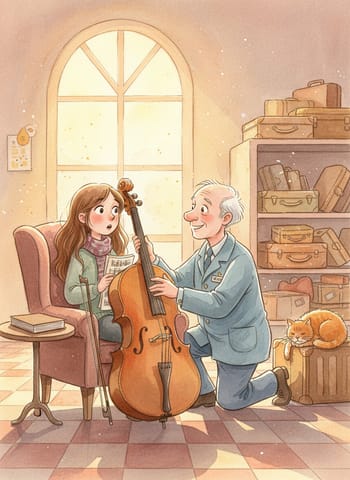
Sade looked at the case. She looked at the cool rows of silent luggage. She looked at the long empty space at the end of the room behind the last rack. Nobody ever used it, because the only socket in the wall had stopped working years ago.
نظرت شاداي إلى العلبة. ونظرت إلى الصفوف الباردة من الحقائب الصامتة. ونظرت إلى المساحة الطويلة الفارغة في نهاية الغرفة، وراء آخر رف. لم يستعملها أحد قط، لأن المقبس الوحيد في الجدار توقف عن العمل منذ سنوات.
"Would the park be better in winter?" she asked.
«هل تكون الحديقة أفضل في الشتاء؟» سألت.
"No. It's freezing, and all the benches are cold iron." Safiya almost smiled. "Why?"
«لا. إنها متجمدة، وكل المقاعد من حديد بارد.» كادت صفية تبتسم. «لماذا؟»
"Because this room is quiet." Sade spoke slowly, and she was surprised to find that her voice was steady. "The walls are thick. Nobody comes in after half past eight in the evening, and I close at ten. If you came after your lectures, and you didn't mind the shelves, you could play in the back."
«لأن هذه الغرفة هادئة.» تكلمت شاداي ببطء، وفوجئت بأن صوتها ثابت. «الجدران سميكة. ولا يدخل أحد بعد الثامنة والنصف مساءً، وأنا أغلق في العاشرة. لو جئتِ بعد محاضراتك، ولم تمانعي الرفوف، لأمكنك أن تعزفي في الخلف.»
Safiya stared at her. "I couldn't. It isn't allowed."
حدّقت فيها صفية. «لا أستطيع. هذا غير مسموح.»
"The ledger doesn't say anything about cellos." Sade lifted a folded sheet of card from the counter, the same one she had tried so many times before, and crouched beside the table. "I'll need a witness, though. Somebody to sit at the table and tell me if the sound is too loud."
«السجل لا يقول شيئًا عن آلات التشيلو.» رفعت شاداي قطعة كرتون مطوية من فوق المنضدة، هي نفسها التي جرّبتها مرات كثيرة من قبل، وجثت بجانب الطاولة. «لكنني سأحتاج إلى شاهدة. شخص يجلس إلى الطاولة ويخبرني إن كان الصوت عاليًا أكثر من اللازم.»
Then she pressed the card firmly under the short leg and rose to her feet. The table stood perfectly still.
ثم ضغطت قطعة الكرتون بإحكام تحت القائمة القصيرة ووقفت. فثبتت الطاولة تمامًا.
"Sit," she said.
«اجلسي»، قالت.