Sunday at Home
قصة إنجليزية مجانية بالمستوى C1 لمتعلمي اللغات، يمكن قراءتها على الإنترنت بلغات عددها 8، مع إمكانية الاستماع إليها عبر تطبيق Storyteller المجاني.
From behind his curtain, a solitary narrator spends an entire Sabbath watching his town's church — its bell, its worshippers, its silences — without ever stepping outside.
انتهى المقطع التجريبي! استمع إلى القصة كاملة في تطبيق Storyteller المجاني. حمّل التطبيق
الصوت غير متاح الآن.
By Nathaniel Hawthorne
تأليف ناثانيال هوثورن
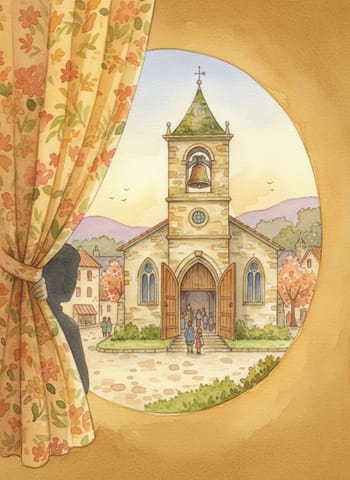
Every Sabbath morning in the summer time I thrust back the curtain, to watch the sunrise stealing down a steeple, which stands opposite my chamber-window. First, the weathercock begins to flash; then, a fainter lustre gives the spire an airy aspect; next it encroaches on the tower, and causes the index of the dial to glisten like gold, as it points to the gilded figure of the hour. Now, the loftiest window gleams, and now the lower. The carved framework of the portal is marked strongly out.
في كل صباح أحد من أيام الصيف أزيح الستارة لأرقب شروق الشمس وهو يتسلل على برج الكنيسة المقابل لنافذة غرفتي. أولًا يبدأ ديك الريح في الوميض؛ ثم يمنح بريق أخفت القمة المدببة مظهرًا هوائيًا؛ ثم يزحف على البرج ويجعل عقرب الساعة يلمع كالذهب وهو يشير إلى رقم الساعة المذهب. الآن تتوهج النافذة العليا، والآن السفلى. يتبدى الإطار المنحوت للمدخل بوضوح.
At length, the morning glory, in its descent from heaven, comes down the stone steps, one by one; and there stands the steeple, glowing with fresh radiance, while the shades of twilight still hide themselves among the nooks of the adjacent buildings. Methinks, though the same sun brightens it every fair morning, yet the steeple has a peculiar robe of brightness for the Sabbath.
أخيرًا ينزل مجد الصباح، في هبوطه من السماء، على درجات الحجر واحدة بعد أخرى؛ ويقف البرج متوهجًا بإشراق جديد، بينما ما زالت ظلال الغسق تتوارى في زوايا المباني المجاورة. أحسب أنه، وإن كانت الشمس نفسها تضيئه كل صباح صافٍ، فإن للبرج في يوم الأحد رداءً خاصًا من الإشراق.
By dwelling near a church, a person soon contracts an attachment for the edifice. We naturally personify it, and conceive its massive walls and its dim emptiness to be instinct with a calm, and meditative, and somewhat melancholy spirit. But the steeple stands foremost, in our thoughts, as well as locally. It impresses us as a giant, with a mind comprehensive and discriminating enough to care for the great and small concerns of all the town. Hourly, while it speaks a moral to the few that think, it reminds thousands of busy individuals of their separate and most secret affairs.
بالسكنى قرب كنيسة يتعلق المرء سريعًا بالبناء. فنحن نجسّده بطبيعة الحال، ونتصور أن جدرانه الضخمة وخواءه الخافت الإضاءة يفيضان بروح هادئة متأملة وكئيبة بعض الشيء. لكن البرج يتقدم في أفكارنا، كما يتقدم في موضعه. إنه يترك فينا انطباع عملاق بعقل شامل ومميّز يكفي ليعتني بهموم البلدة كلها، كبيرها وصغيرها. وهو في كل ساعة، بينما يلقي عظة أخلاقية على القلة التي تفكر، يذكّر آلاف الأفراد المنشغلين بشؤونهم المنفصلة والأشد سرية.
It is the steeple, too, that flings abroad the hurried and irregular accents of general alarm; neither have gladness and festivity found a better utterance, than by its tongue; and when the dead are slowly passing to their home, the steeple has a melancholy voice to bid them welcome. Yet, in spite of this connection with human interests, what a moral loneliness, on week-days, broods round about its stately height! It has no kindred with the houses above which it towers; it looks down into the narrow thoroughfare, the lonelier, because the crowd are elbowing their passage at its base. A glance at the body of the church deepens this impression.
والبرج أيضًا هو الذي يطلق في الأرجاء النبرات المتعجلة المتقطعة للإنذار العام؛ وما وجد الفرح والاحتفال تعبيرًا أفضل من لسانه؛ وحين يمرّ الموتى ببطء إلى مأواهم، يكون للبرج صوت كئيب يرحب بهم. ومع ذلك، رغم هذه الصلة بالمصالح البشرية، يا لها من وحشة معنوية تخيم في أيام الأسبوع حول علوّه المهيب! ليست له قرابة بالبيوت التي يشرف عليها؛ إنه ينظر إلى الطريق الضيق في الأسفل، وهو أشد وحدة لأن الزحام يتدافع عند قاعدته. نظرة إلى جسم الكنيسة تعمّق هذا الانطباع.
Within, by the light of distant windows, amid refracted shadows, we discern the vacant pews and empty galleries, the silent organ, the voiceless pulpit, and the clock, which tells to solitude how time is passing. Time,—where man lives not,—what is it but eternity? And in the church, we might suppose, are garnered up, throughout the week, all thoughts and feelings that have reference to eternity, until the holy day comes round again, to let them forth. Might not, then, its more appropriate site be in the outskirts of the town, with space for old trees to wave around it, and throw their solemn shadows over a quiet green? We will say more of this, hereafter.
في الداخل، على ضوء نوافذ بعيدة، وبين ظلال منكسرة، نتبيّن المقاعد الخشبية الخالية والشرفات الفارغة، والأرغن الصامت، والمنبر الذي لا صوت فيه، والساعة التي تخبر الوحدة كيف يمر الزمن. الزمن، حيث لا يسكن الإنسان، ما هو إلا الأبدية. في الكنيسة، ربما نتخيل، تُخزَّن طوال الأسبوع كل الأفكار والمشاعر المتصلة بالأبدية، إلى أن يدور يوم الأحد المقدس مرة أخرى فيطلقها. أفلا يكون موضعها الأنسب في أطراف البلدة، بمساحة تتيح للأشجار القديمة أن تموج حولها وتلقي ظلالها الجليلة على مرج هادئ؟ سنقول شيئًا آخر عن هذا لاحقًا.
But, on the Sabbath, I watch the earliest sunshine, and fancy that a holier brightness marks the day, when there shall be no buzz of voices on the exchange, nor traffic in the shops, nor crowd, nor business, anywhere but at church. Many have fancied so. For my own part, whether I see it scattered down among tangled woods, or beaming broad across the fields, or hemmed in between brick buildings, or tracing out the figure of the casement on my chamber-floor, still I recognize the Sabbath sunshine.
لكنني في يوم الأحد أرقب أولى أشعة الشمس، وأتخيل أن إشراقًا أقدس يطبع اليوم، حين لا يكون هناك طنين أصوات في البورصة، ولا تجارة في الدكاكين، ولا زحام ولا عمل في أي مكان إلا في الكنيسة. كثيرون تخيلوا ذلك. أما أنا فسواء رأيت الشمس متناثرة بين غابات متشابكة، أو ساطعة عريضة عبر الحقول، أو محصورة بين مبانٍ من الطوب، أو راسمة شكل النافذة على أرضية غرفتي، فإنني ما زلت أتعرف إلى شمس الأحد.
And ever let me recognize it! Some illusions, and this among them, are the shadows of great truths. Doubts may flit around me, or seem to close their evil wings, and settle down; but so long as I imagine that the earth is hallowed, and the light of heaven retains its sanctity, on the Sabbath,—while that blessed sunshine lives within me,—never can my soul have lost the instinct of its faith. If it have gone astray, it will return again.
ليكن تعرّفي إليها دائمًا! فبعض الأوهام، وهذا منها، ظلال لحقائق عظيمة. قد تحوم حولي الشكوك، أو تبدو كأنها تطوي أجنحتها الشريرة وتستقر؛ لكن ما دمت أتخيل أن الأرض مقدسة، وأن نور السماء يحتفظ بقداسته، يوم الأحد، ما دامت تلك الشمس المباركة حية في داخلي، فلن تكون روحي قد فقدت غريزة إيمانها. وإن كانت قد ضلّت، فستعود.
I love to spend such pleasant Sabbaths, from morning till night, behind the curtain of my open window. Are they spent amiss? Every spot, so near the church as to be visited by the circling shadow of the steeple, should be deemed consecrated ground, to-day. With stronger truth be it said, that a devout heart may consecrate a den of thieves, as an evil one may convert a temple to the same. My heart, perhaps, has not such holy, nor, I would fain trust, such impious potency. It must suffice, that, though my form be absent, my inner man goes constantly to church, while many, whose bodily presence fills the accustomed seats, have left their souls at home.
يطيب لي أن أقضي أيام الأحد اللطيفة هذه، من الصباح إلى الليل، خلف ستارة نافذتي المفتوحة. أتراها تُقضى على نحو خاطئ؟ فكل موضع، قريب من الكنيسة إلى حد أن يزوره ظل البرج الدائر، ينبغي أن يُعدّ أرضًا مقدسة اليوم. بصدق أقوى يقال إن القلب التقي يستطيع أن يقدّس مغارة للصوص، كما يستطيع القلب الشرير أن يحوّل هيكلًا إلى مغارة مثلها. قلبي ربما لا يملك مثل هذه القدرة المقدسة، ولا، وأود أن أثق، مثل هذه القدرة الفاجرة. يكفي أنه، وإن غاب جسدي، فإن إنساني الباطن يذهب إلى الكنيسة باستمرار، بينما كثيرون يملأ حضورهم الجسدي المقاعد المعتادة وقد تركوا أرواحهم في البيت.
But I am there, even before my friend, the sexton. At length, he comes,—a man of kindly, but sombre aspect, in dark gray clothes, and hair of the same mixture,—he comes and applies his key to the wide portal. Now my thoughts may go in among the dusty pews, or ascend the pulpit without sacrilege, but soon come forth again to enjoy the music of the bell. How glad, yet solemn too! All the steeples in town are talking together, aloft in the sunny air, and rejoicing among themselves, while their spires point heavenward.
لكنني هناك، حتى قبل صديقي قيّم الكنيسة. أخيرًا يأتي، رجل ذو مظهر ودود لكنه كئيب، بثياب رمادية داكنة وشعر من اللون نفسه، يأتي ويضع مفتاحه في المدخل الواسع. الآن يمكن لأفكاري أن تدخل بين المقاعد المغبرة، أو تصعد المنبر دون تدنيس، لكنها سرعان ما تخرج لتستمتع بموسيقى الجرس. ما أسعدها وما أجلّها! كل أبراج البلدة تتحدث معًا عاليًا في الهواء المشمس، وتبتهج فيما بينها، بينما تشير قممها المدببة نحو السماء.
Meantime, here are the children assembling to the Sabbath school, which is kept somewhere within the church. Often, while looking at the arched portal, I have been gladdened by the sight of a score of these little girls and boys, in pink, blue, yellow, and crimson frocks, bursting suddenly forth into the sunshine, like a swarm of gay butterflies that had been shut up in the solemn gloom. Or I might compare them to cherubs, haunting that holy place.
في الأثناء، ها هم الأطفال يتجمعون إلى مدرسة الأحد، التي تُقام في مكان ما داخل الكنيسة. وكثيرًا ما سرّني، وأنا أنظر إلى المدخل المقوّس، منظر عشرين من هؤلاء البنات والصبية الصغار، بثياب وردية وزرقاء وصفراء وقرمزية، ينفجرون فجأة إلى الشمس كسرب فراشات مرحة كانت محبوسة في العتمة المهيبة. أو يمكنني أن أشبههم بالملائكة الصغار الذين يرتادون ذلك المكان المقدس.
About a quarter of an hour before the second ringing of the bell, individuals of the congregation begin to appear. The earliest is invariably an old woman in black, whose bent frame and rounded shoulders are evidently laden with some heavy affliction, which she is eager to rest upon the altar. Would that the Sabbath came twice as often, for the sake of that sorrowful old soul! There is an elderly man, also, who arrives in good season, and leans against the corner of the tower, just within the line of its shadow, looking downward with a darksome brow. I sometimes fancy that the old woman is the happier of the two.
قبل نحو ربع ساعة من القرع الثاني للجرس، يبدأ أفراد من الجماعة بالظهور. أولهم دائمًا امرأة عجوز بالسواد، يبدو واضحًا أن قامتها المنحنية وكتفيها المستديرتين تحملان مصيبة ثقيلة تتوق إلى أن تضعها على المذبح. ليت الأحد يأتي ضعف ما يأتي من أجل تلك الروح العجوز الحزينة! وهناك أيضًا رجل مسن يصل مبكرًا ويستند إلى زاوية البرج، ضمن حدّ ظله، ينظر إلى الأسفل بجبين قاتم. أتخيل أحيانًا أن العجوز أسعد الاثنين.
After these, others drop in singly, and by twos and threes, either disappearing through the doorway or taking their stand in its vicinity. At last, and always with an unexpected sensation, the bell turns in the steeple overhead, and throws out an irregular clangor, jarring the tower to its foundation. As if there were magic in the sound, the sidewalks of the street, both up and down along, are immediately thronged with two long lines of people, all converging hitherward, and streaming into the church. Perhaps the far-off roar of a coach draws nearer,—a deeper thunder by its contrast with the surrounding stillness,—until it sets down the wealthy worshippers at the portal, among their humblest brethren.
بعد هؤلاء يتوافد آخرون فرادى ومثنى وثلاثًا، فيختفون في المدخل أو يقفون قريبًا منه. وأخيرًا، وعلى الدوام بإحساس مباغت، يدور الجرس في البرج فوق الرأس ويطلق قرعًا غير منتظم، يهز البرج حتى أساسه. كأن في الصوت سحرًا، تزدحم أرصفة الشارع، صعودًا ونزولًا، فورًا بصفين طويلين من الناس، يتجهون جميعًا إلى هنا ويتدفقون إلى الكنيسة. وربما يقترب دوي عربة بعيد، رعد أعمق بتباينه مع السكون المحيط، حتى تُنزل المصلين الأثرياء عند المدخل بين إخوتهم الأشد تواضعًا.
Beyond that entrance, in theory at least, there are no distinctions of earthly rank; nor indeed, by the goodly apparel which is flaunting in the sun, would there seem to be such, on the hither side. Those pretty girls! Why will they disturb my pious meditations! Of all days in the week, they should strive to look least fascinating on the Sabbath, instead of heightening their mortal loveliness, as if to rival the blessed angels, and keep our thoughts from heaven. Were I the minister himself, I must needs look.
وراء ذلك المدخل، من حيث النظرية على الأقل، لا فوارق في المرتبة الدنيوية؛ ولا يبدو، بحسب الثياب الجميلة المتباهية في الشمس، أنها موجودة في هذا الجانب أيضًا. تلك الفتيات الجميلات! لماذا يشوّشن تأملاتي التقية! ينبغي أن يجتهدن في أن يبدون أقل فتنة يوم الأحد، من بين أيام الأسبوع كلها، بدل أن يزدن جمالهن الفاني كأنهن ينافسن الملائكة المباركين ويصرفن أفكارنا عن السماء. ولو كنت القس نفسه لاضطررت إلى النظر.
One girl is white muslin from the waist upwards, and black silk downwards to her slippers; a second blushes from topknot to shoe-tie, one universal scarlet; another shines of a pervading yellow, as if she had made a garment of the sunshine. The greater part, however, have adopted a milder cheerfulness of hue. Their veils, especially when the wind raises them, give a lightness to the general effect, and make them appear like airy phantoms, as they flit up the steps, and vanish into the sombre doorway.
فتاة ترتدي الموسلين الأبيض من الخصر إلى الأعلى، والحرير الأسود إلى الأسفل حتى حذائها الخفيف؛ وثانية تتورد من عقدة الشعر إلى رباط الحذاء قرمزية شاملة؛ وأخرى تلمع بصفرة شاملة كأنها صنعت ثوبًا من ضوء الشمس. أما معظمهن فقد اخترن ألوانًا أرق مرحًا. حُجُبهن، خصوصًا حين ترفعها الريح، تضفي خفة على الأثر العام، وتجعلهن يبدين أشباحًا هوائية، وهن يتخطرن صاعدات الدرج ويختفين في المدخل الكئيب.
Nearly all—though it is very strange that I should know it—wear white stockings, white as snow, and neat slippers, laced crosswise with black ribbon, pretty high above the ankles. A white stocking is infinitely more effective than a black one.
ومعظمهن، ومن الغريب جدًا أن أعرف ذلك، يرتدين جوارب بيضاء، بيضاء كالثلج، وأحذية خفيفة أنيقة مربوطة بشريط أسود بشكل متصالب، عالية جدًا فوق الكاحل. الجورب الأبيض أكثر تأثيرًا بما لا نهاية من الأسود.
Here comes the clergyman, slow and solemn, in severe simplicity, needing no black silk gown to denote his office. His aspect claims my reverence, but cannot win my love. Were I to picture Saint Peter, keeping fast the gate of heaven, and frowning, more stern than pitiful, on the wretched applicants, that face should be my study. By middle age, or sooner, the creed has generally wrought upon the heart, or been attempered by it. As the minister passes into the church, the bell holds its iron tongue, and all the low murmur of the congregation dies away.
وها هو القس يأتي، بطيئًا مهيبًا، ببساطة صارمة، لا يحتاج إلى ثوب حرير أسود ليدل على وظيفته. مظهره يستدعي إجلالي، لكنه لا يستطيع أن يكسب حبي. ولو أنني صورت القديس بطرس، وهو يحرس باب السماء ويعبس، أقسى منه إشفاقًا، على المتقدمين البائسين، فإن ذلك الوجه سيكون موضوع دراستي. في منتصف العمر، أو قبله، يكون المعتقد عادة قد عمل في القلب، أو لينه القلب. وحين يمرّ القس إلى الكنيسة، يمسك الجرس لسانه الحديدي، ويخبو كل الهمس المنخفض للجماعة.
The gray sexton looks up and down the street, and then at my window-curtain, where, through the small peephole, I half fancy that he has caught my eye. Now, every loiterer has gone in, and the street lies asleep in the quiet sun, while a feeling of loneliness comes over me, and brings also an uneasy sense of neglected privileges and duties. O, I ought to have gone to church! The hustle of the rising congregation reaches my ears.
ينظر قيّم الكنيسة الرمادي صعودًا ونزولًا في الشارع، ثم إلى ستارة نافذتي، حيث أظن، عبر ثقب المراقبة الصغير، أنه التقط عيني. الآن دخل كل متباطئ، والشارع نائم في الشمس الهادئة، بينما يغشاني شعور بالوحدة، ومعه إحساس مقلق بالامتيازات والواجبات المهملة. آه، كان ينبغي أن أذهب إلى الكنيسة! صخب نهوض الجماعة يبلغ أذني.
They are standing up to pray. Could I bring my heart into unison with those who are praying in yonder church, and lift it heavenward, with a fervor of supplication, but no distinct request, would not that be the safest kind of prayer? "Lord, look down upon me in mercy!" With that sentiment gushing from my soul, might I not leave all the rest to Him?
إنهم يقفون للصلاة. لو استطعت أن أوائم قلبي مع الذين يصلون في تلك الكنيسة، وأرفعه نحو السماء، بحرارة توسل، لكن بلا طلب محدد، أفلا تكون تلك أأمن أنواع الصلاة؟ «يا رب، انظر إليّ برحمة!» وبهذا الشعور المتدفق من روحي، ألا يمكنني أن أترك كل الباقي له؟
Hark! the hymn. This, at least, is a portion of the service which I can enjoy better than if I sat within the walls, where the full choir and the massive melody of the organ, would fall with a weight upon me. At this distance, it thrills through my frame, and plays upon my heartstrings, with a pleasure both of the sense and spirit. Heaven be praised, I know nothing of music, as a science; and the most elaborate harmonies, if they please me, please as simply as a nurse's lullaby. The strain has ceased, but prolongs itself in my mind, with fanciful echoes, till I start from my revery, and find that the sermon has commenced.
اسمع! الترنيمة. هذا على الأقل جزء من الخدمة أستطيع التمتع به أكثر مما لو كنت جالسًا داخل الجدران، حيث تسقط عليّ الجوقة الكاملة واللحن الضخم للأرغن بثقل. على هذه المسافة يرتجف في جسدي، ويعزف على أوتار قلبي، بلذة للحس والروح معًا. حمدًا للسماء، لا أعرف شيئًا عن الموسيقى بوصفها علمًا؛ وأعقد التناغمات، إن أرضتني، ترضيني ببساطة كترنيمة مربية. توقف اللحن، لكنه يطيل نفسه في ذهني بأصداء خيالية، إلى أن أستيقظ من شرودي، فأجد أن العظة قد بدأت.
It is my misfortune seldom to fructify, in a regular way, by any but printed sermons. The first strong idea, which the preacher utters, gives birth to a train of thought, and leads me onward, step by step, quite out of hearing of the good man's voice, unless he be indeed a son of thunder. At my open window, catching now and then a sentence of the "parson's saw," I am as well situated as at the foot of the pulpit stairs.
من سوء حظي أنني نادرًا ما أثمر، بطريقة منتظمة، إلا من العظات المطبوعة. فالفكرة القوية الأولى التي ينطق بها الواعظ تلد سلسلة من الأفكار، وتقودني خطوة بعد خطوة، إلى خارج مسمع صوت الرجل الطيب تمامًا، ما لم يكن حقًا من أبناء الرعد. وعند نافذتي المفتوحة، ألتقط بين حين وآخر جملة من «عظة القس»، فأكون في موقع حسن كأنني عند أسفل درج المنبر.
The broken and scattered fragments of this one discourse will be the texts of many sermons, preached by those colleague pastors,—colleagues, but often disputants,—my Mind and Heart. The former pretends to be a scholar, and perplexes me with doctrinal points; the latter takes me on the score of feeling; and both, like several other preachers, spend their strength to very little purpose. I, their sole auditor, cannot always understand them.
وستكون الشظايا المكسرة المتناثرة لهذه الخطبة الواحدة نصوصًا لكثير من العظات، يعظ بها هذان القسيسان الزميلان، زميلان لكنهما كثيرًا ما يتجادلان، عقلي وقلبي. فالأول يدّعي أنه عالم، ويربكني بنقاط عقائدية؛ والثاني يأخذني من باب الشعور؛ وكلاهما، كعدة وعاظ آخرين، يبذل قوته لغير كبير جدوى. أنا، مستمعهما الوحيد، لا أستطيع دائمًا أن أفهمهما.
Suppose that a few hours have passed, and behold me still behind my curtain, just before the close of the afternoon service. The hour-hand on the dial has passed beyond four o'clock. The declining sun is hidden behind the steeple, and throws its shadow straight across the street, so that my chamber is darkened, as with a cloud. Around the church-door all is solitude, and an impenetrable obscurity beyond the threshold. A commotion is heard. The seats are slammed down, and the pew-doors thrown back,—a multitude of feet are trampling along the unseen aisles,—and the congregation bursts suddenly through the portal.
لنفترض أن بضع ساعات مرّت، وها أنا ذا لا أزال خلف ستارتي، قبل نهاية صلاة ما بعد الظهر بقليل. قد تجاوز عقرب الساعات على القرص الرابعة. والشمس المائلة تختفي خلف البرج، وتلقي ظله مستقيمًا عبر الشارع، فتظلم غرفتي كأن غيمة غطتها. حول باب الكنيسة كل شيء وحدة، وعتمة لا تُخترق وراء العتبة. يُسمع جلبة. تُصفق المقاعد القابلة للطي، وتُفتح أبواب المقصورات، وحشد من الأقدام يدوس الممرات غير المرئية، وتنفجر الجماعة فجأة عبر المدخل.
Foremost, scampers a rabble of boys, behind whom moves a dense and dark phalanx of grown men, and lastly, a crowd of females, with young children, and a few scattered husbands. This instantaneous outbreak of life into loneliness is one of the pleasantest scenes of the day. Some of the good people are rubbing their eyes, thereby intimating that they have been wrapped, as it were, in a sort of holy trance, by the fervor of their devotion.
في المقدمة يعدو سرب من الصبية، وخلفهم كتيبة كثيفة داكنة من الرجال البالغين، وأخيرًا جمهور من النساء مع أطفال صغار وبعض الأزواج المتفرقين. هذا الانفجار الفوري للحياة في الوحدة من أمتع مشاهد اليوم. وبعض الناس الطيبين يفركون عيونهم، وبذلك يوحون بأنهم كانوا مستغرقين، كما يُقال، في نوع من الغيبة المقدسة بحرارة تعبدهم.
There is a young man, a third-rate coxcomb, whose first care is always to flourish a white handkerchief, and brush the seat of a tight pair of black silk pantaloons, which shine as if varnished. They must have been made of the stuff called "everlasting," or perhaps of the same piece as Christian's garments in the Pilgrim's Progress, for he put them on two summers ago, and has not yet worn the gloss off. I have taken a great liking to those black silk pantaloons. But, now, with nods and greetings among friends, each matron takes her husband's arm, and paces gravely homeward, while the girls also flutter away, after arranging sunset walks with their favored bachelors.
وهناك شاب، متأنق من الدرجة الثالثة، أول همه دائمًا أن يلوّح بمنديل أبيض وينفض مقعد بنطال من الحرير الأسود الضيق يلمع كأنه مطلي بالورنيش. لا بد أنه صُنع من القماش المسمى «الدائم»، أو ربما من القطعة نفسها التي صُنعت منها ثياب بطل سياحة المسيحي، فقد ارتداه قبل صيفين ولم يُبلِ لمعانه بعد. وقد أحببت تلك البنطلونات الحريرية السوداء كثيرًا. لكن الآن، بإيماءات وتحيات بين الأصدقاء، تأخذ كل سيدة وقور ذراع زوجها وتمشي بجدية إلى البيت، بينما تتخطر البنات أيضًا بعيدًا، بعد أن رتبن نزهات الغروب مع العزاب الذين يفضلنهم.
The Sabbath eve is the eve of love. At length, the whole congregation is dispersed. No; here, with faces as glossy as black satin, come two sable ladies and a sable gentleman, and close in their rear the minister, who softens his severe visage, and bestows a kind word on each. Poor souls! To them the most captivating picture of bliss in heaven is—"There we shall be white!"
مساء الأحد هو مساء الحب. أخيرًا تتفرق الجماعة كلها. لا؛ ها هن، بوجوه لامعة كالساتان الأسود، تأتي سيدتان سوداوان وسيد أسود، وقريبًا خلفهم القس، يلين وجهه الصارم ويمنح كلمة طيبة لكل منهم. أيها المساكين! إن أبهى صورة للنعيم في السماء عندهم هي: «هناك سنكون بيضًا!»
All is solitude again. But, hark!—a broken warbling of voices, and now, attuning its grandeur to their sweetness, a stately peal of the organ. Who are the choristers? Let me dream that the angels, who came down from heaven, this blessed morn, to blend themselves with the worship of the truly good, are playing and singing their farewell to the earth. On the wings of that rich melody they were borne upward.
كل شيء وحدة مرة أخرى. لكن، اسمع! تغريد متقطع لأصوات، والآن، يوائم عظمته مع عذوبتها، قرع مهيب للأرغن. من هم المنشدون؟ دعني أحلم أن الملائكة، الذين نزلوا من السماء هذا الصباح المبارك ليمتزجوا بعبادة الصالحين حقًا، يعزفون وينشدون وداعهم للأرض. على أجنحة ذلك اللحن الغني حُملوا إلى الأعلى.
This, gentle reader, is merely a flight of poetry. A few of the singing men and singing women had lingered behind their fellows, and raised their voices fitfully, and blew a careless note upon the organ. Yet, it lifted my soul higher than all their former strains. They are gone, the sons and daughters of music,—and the gray sexton is just closing the portal.
هذه، أيها القارئ اللطيف، ليست سوى تحليق شعري. فقد تخلف بعض المنشدين والمنشدات عن رفاقهم، ورفعوا أصواتهم بين حين وآخر، وعزفوا نغمة عابرة على الأرغن. ومع ذلك فقد رفع ذلك روحي أعلى من كل أنغامهم السابقة. لقد ذهبوا، أبناء الموسيقى وبناتها، وقيّم الكنيسة الرمادي يغلق المدخل للتو.
For six days more, there will be no face of man in the pews, and aisles, and galleries, nor a voice in the pulpit, nor music in the choir. Was it worth while to rear this massive edifice, to be a desert in the heart of the town, and populous only for a few hours of each seventh day?
ستة أيام أخرى لن يكون هناك وجه إنسان في المقاعد والممرات والشرفات، ولا صوت في المنبر، ولا موسيقى في الجوقة. فهل كان من المجدي أن يُقام هذا البناء الضخم ليكون صحراء في قلب البلدة، لا تعمرها إلا بضع ساعات من كل يوم سابع؟
O, but the church is a symbol of religion! May its site, which was consecrated on the day when the first tree was felled, be kept holy forever, a spot of solitude and peace, amid the trouble and vanity of our week-day world! There is a moral, and a religion too, even in the silent walls. And may the steeple still point heavenward, and be decked with the hallowed sunshine of the Sabbath morn!
آه، لكن الكنيسة رمز للدين! ليبقَ موضعها، الذي قُدّس في اليوم الذي قُطعت فيه أول شجرة، مقدسًا إلى الأبد، بقعة عزلة وسلام وسط اضطراب عالمنا في أيام الأسبوع وباطله! ففي الجدران الصامتة نفسها عبرة، ودين أيضًا. وليظل البرج يشير نحو السماء، ويُزيَّن بشمس الأحد المقدسة في صباحه!