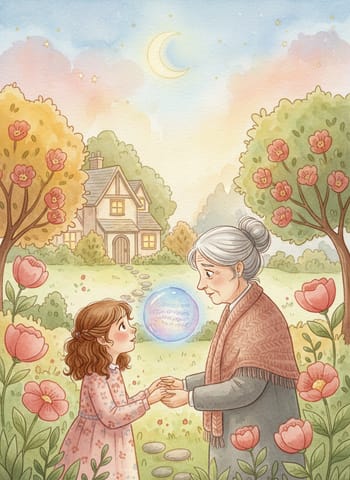
The Language She Lost
قصة إنجليزية مجانية بالمستوى B2 لمتعلمي اللغات، يمكن قراءتها على الإنترنت بلغات عددها 8، مع إمكانية الاستماع إليها عبر تطبيق Storyteller المجاني.
When her grandmother comes to stay, Cecilia discovers that she cannot talk to her in the language she spent her childhood refusing to speak.
انتهى المقطع التجريبي! استمع إلى القصة كاملة في تطبيق Storyteller المجاني. حمّل التطبيق
الصوت غير متاح الآن.
As a child, Cecilia had made herself a rule. At school she spoke only the language of her classmates, and at home she answered her parents in the same one, whatever they said. Her mother and father spoke their own language in the kitchen, softly, as if it were a secret they were embarrassed to keep. Cecilia, who was nine, had decided she wanted no part of it.
في طفولتها، كانت سيسيليا قد وضعت لنفسها قاعدة. في المدرسة كانت تتكلم بلغة زملائها وحدها، وفي البيت كانت تجيب والديها بتلك اللغة نفسها، مهما قالا لها. وكان أبوها وأمها يتكلمان لغتهما في المطبخ بصوت خافت، كأنها سر يخجلان من إخفائه. أما سيسيليا، وكانت في التاسعة، فقد قررت ألا يكون لها أي نصيب منها.
Twenty years later, she could still understand most of it. That had been her private compromise: she listened, but she never replied. The words had settled in her like furniture in a dark room, and she moved around them without touching anything.
وبعد عشرين عامًا، كانت لا تزال تفهم معظمها. كانت تلك تسويتها الخاصة: كانت تصغي ولا ترد أبدًا. استقرت الكلمات فيها كأثاث في غرفة مظلمة، وكانت تتحرك بينها دون أن تلمس شيئًا.
Then her grandmother came to stay for the summer. The old woman knew only a handful of words of the local language. Nobody had arranged for an interpreter, because everyone had assumed that Cecilia would manage.
ثم جاءت جدتها لتقضي الصيف عندهم. كانت العجوز لا تعرف من لغة البلد المحلية إلا حفنة من الكلمات. ولم يرتب أحد لمترجم، لأن الجميع افترضوا أن سيسيليا ستتدبر الأمر.
On the second evening, Cecilia tried to ask her grandmother how the journey had been. The sentence collapsed after three words. She knew how to say "eat", "come here" and "put your shoes on". That was the vocabulary of being a child, and she had almost nothing for being a grown woman.
في المساء الثاني، حاولت سيسيليا أن تسأل جدتها كيف كانت الرحلة. انهارت الجملة بعد ثلاث كلمات. كانت تعرف كيف تقول «كلي» و«تعالي إلى هنا» و«البسي حذاءك». كانت تلك مفردات الطفولة، ولم يكن عندها شيء تقريبًا لتكون امرأة راشدة.
Her grandmother waited, hands folded in her lap, and then said something slow and simple. Cecilia caught every word: Say it like a little girl, then. I don't mind.
انتظرت جدتها، ويداها مطويتان في حضنها، ثم قالت شيئًا بطيئًا بسيطًا. التقطت سيسيليا كل كلمة: قوليها إذًا كما تقول طفلة صغيرة. لا أمانع.
So they began. Cecilia wrote the words she wanted on sticky notes and pressed them to the doorframe, the kettle and the bathroom mirror. Her grandmother crossed out the wrong ones with a pencil and wrote the right ones beneath, in handwriting that leaned to the right. By the end of June, the kitchen looked as if it had been wallpapered with yellow squares.
فبدأتا. كتبت سيسيليا الكلمات التي تريدها على أوراق لاصقة وألصقتها على إطار الباب وغلاية الماء ومرآة الحمام. وشطبت جدتها الخاطئة منها بقلم رصاص وكتبت الصحيحة تحتها، بخط يميل إلى اليمين. وبنهاية يونيو، بدا المطبخ كأنه كُسي بورق جدران من مربعات صفراء.
It was humbling. If she could go back to that nine-year-old, she thought, she would not argue with her. She would only ask her to wait. Her grandmother corrected her mistakes only when they changed the meaning. Otherwise she let the sentence stand, lopsided but alive.
كان الأمر يعلّمها التواضع. لو استطاعت أن تعود إلى تلك الطفلة ذات التسع سنوات، فكرت، لما جادلتها. بل كانت ستطلب منها أن تنتظر فقط. لم تكن جدتها تصحح أخطاءها إلا حين تغيّر المعنى. وفيما عدا ذلك كانت تترك الجملة قائمة، معوجّة لكنها حية.
In July, Cecilia asked the question she had been carrying for years. Why had her parents never forced her? Her grandmother answered slowly that they had pushed for a year. Then they had stopped, because they were tired and afraid of losing her entirely. "Better a silent daughter than a daughter who is gone," she said.
في يوليو، طرحت سيسيليا السؤال الذي حملته سنوات. لماذا لم يجبرها والداها؟ أجابتها جدتها ببطء بأنهما ضغطا عليها سنة. ثم توقفا، لأنهما كانا متعبين وخائفين من أن يفقداها تمامًا. «ابنة صامتة خير من ابنة ضائعة»، قالت.
Cecilia hadn't known that. She should have asked years earlier, although until this summer she would not have had the words to do it.
لم تكن سيسيليا تعرف ذلك. كان ينبغي أن تسأل قبل سنوات، مع أنها لم تكن لتملك الكلمات لفعل ذلك حتى هذا الصيف.
At the end of August, they stood together at the airport. Her grandmother said goodbye in the old language, in a long speech with a gap in the middle for Cecilia to fill. Cecilia filled it. The grammar was crooked and the pronunciation was worse, but the sentence reached its end.
في نهاية أغسطس، وقفتا معًا في المطار. ودّعتها جدتها باللغة القديمة، في خطاب طويل فيه فجوة في منتصفه لتملأها سيسيليا. وملأتها سيسيليا. كانت القواعد معوجّة والنطق أسوأ، لكن الجملة وصلت إلى نهايتها.
Her grandmother touched the side of her face. She did not correct a single word.
لمست جدتها جانب وجهها. ولم تصحح كلمة واحدة.
On the first Sunday of September, Cecilia sat in the kitchen beneath the last of the yellow notes and dialed the long number. When her grandmother answered, she said hello in her parents' language. Then she kept talking.
في أول يوم أحد من سبتمبر، جلست سيسيليا في المطبخ تحت آخر ما تبقى من الأوراق الصفراء واتصلت بالرقم الطويل. وحين أجابت جدتها، قالت مرحبًا بلغة والديها. ثم واصلت الكلام.